
(4 minute read)
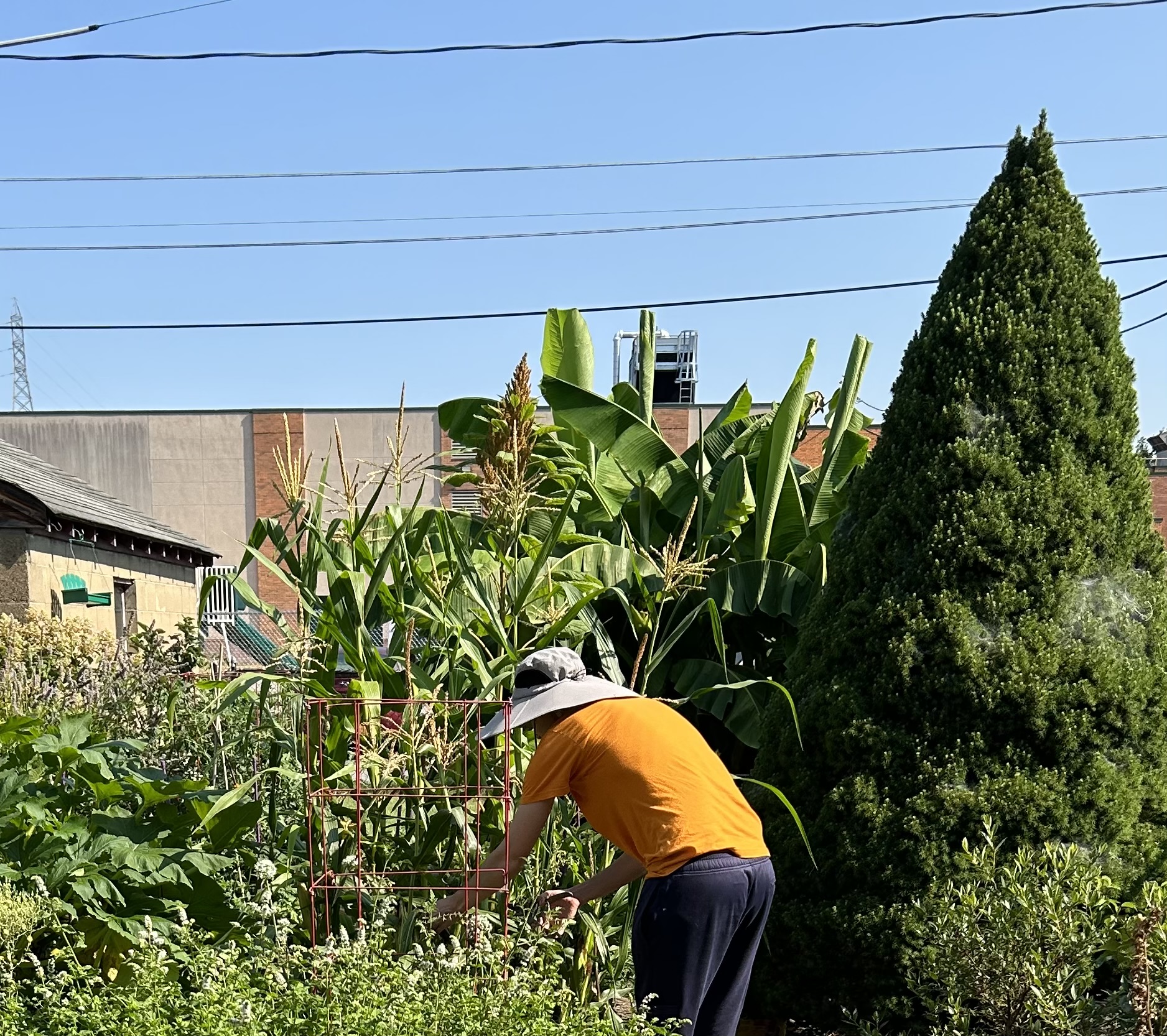
I have a banana tree — three, to be exact — thriving in my backyard. I live in an area where they are not native so they require some attention, protection, and patience. Fortunately, Jen has the green thumb and is the sole reason these green monsters are alive and well.
Several years ago she asked what type of tree I would like planted. I didn’t hesitate. “A banana tree.”
To explain, one of my favorite places on the planet is New Orleans. I fell in love with the Crescent City more than thirty years ago. But my first impression of the French Quarter? Less than stellar.
If you’ve ever driven straight into the Quarter, your first visit is memorable. The city and culture are distinct. The buildings are centuries old — worn, tilted, pot-marked. I remember thinking, I could have gone anywhere on the planet for vacation and I picked… here?
It looked like an abandoned section of Troy, NY. Sorry, dear citizens of Troy.
Your first visit there can be a shock.
But once I settled in, my three days planned there flew by. Somewhere between the beignets and the brass bands, I fell madly, deeply, and fully in love with the city.
The energy there is electric. The food — unforgettable. The shops are peculiar in the best way. The Mighty Mississippi slides past, indifferent and majestic. The smells drifting from restaurants mingle with… other odors (if you’ve been there, you know). The bakeries tempt you. The seafood wins.
New Orleans is alive.
Of course, it also sits below sea level. That presents, shall we say, a number of challenges.
One of the most famous: the dead are not buried underground. They are interred above ground, in crypts. If the land floods, you can’t have bodies popping up.
“There goes Uncle Jim.”
“Your Uncle Jim has been dead for twenty years.”
“Yeah… but there he goes.”
New Orleans solves problems creatively.
Another challenge in the French Quarter is space. Lawns are rare. Instead, there are walled courtyards tucked behind iron gates. Greenery doesn’t spread — it rises from enormous potted plants that line brick walls. Trees grow from dirt patches barely larger than their trunks. If you’re fortunate, you plant something larger — but even that requires ingenuity.
Over the years, I’ve visited N’awlins close to a dozen times. Easily my most revisited place. Not long ago, I had the opportunity to return — and this time, I hit pay dirt.
I spent three months living in the Quarter. Twelve glorious weeks.
From the walled courtyard of the rented bungalow, I saw a rare sight. Two backyards to the south, someone had the luxury of a larger than normal backyard. The evidence? The largest banana tree I had ever seen. It towered more than three stories high, stretching above the rooftops.
Though separated by a block and-a-half it was visible every day. It waved with the breeze and stretched out in the rain. That extended stay in the French Quarter was everything I could have hoped for.
So when it came time to choose a tree for our yard, the word banana naturally came out.
Now the banana trees thrive. They are not even two stories high. But every morning, I step onto the back deck with my first cup of coffee, and there they are.
The banana tree greets me — waving in the breeze, stretching in the rain.
However, it dawned on me the other day.
When I look at the tree now, my first thought is not about being in New Orleans. The courtyards, buildings, or rooftops of the Quarter are now a distant memory.
I think about Jen and the care she takes in nursing these non-natives. I think about her earnestness, about the quiet, steady work she puts in so I can enjoy this sprawling green creature. I see care. Intention. Love expressed through soil, water, and patience.
And that, to me, is worth a lifetime of visits to The Big Easy.
Editor’s note: This essay was originally called The Joy of Gardening and was published on 7/21/2024. It has been edited for clarity and continuity.
